
Без рубрики
Mathematical Odds Behind Mines Game Detailed for UK Players
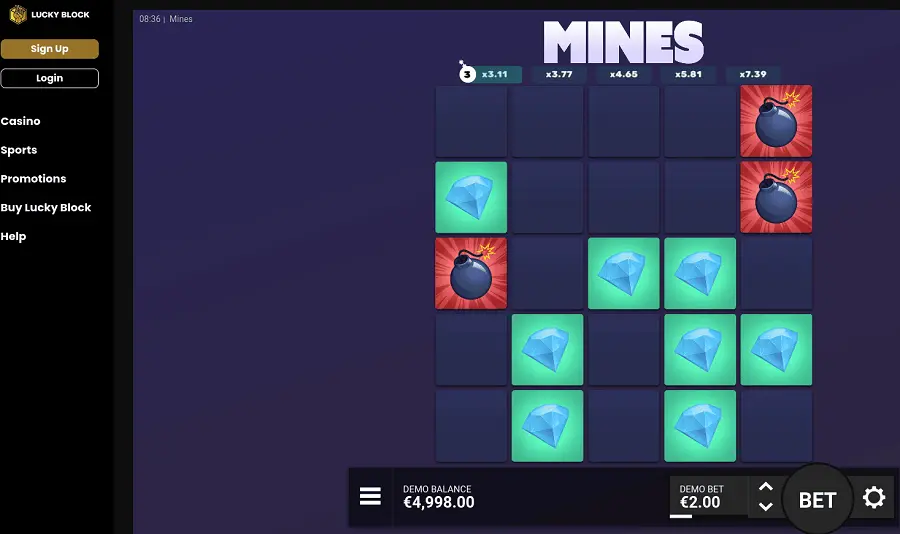
Hi UK players https://minesgames.eu/. Ever asked yourself what’s really going on when you tap those squares in Mines Game? We’re lifting the veil. This isn’t just about luck. It’s a realm of probability, and we’re going to explain the core maths. You can convert guesswork into a clear strategy for your next session.
The Cash-Out Dilemma: A Numbers Perspective
When do you bank your winnings? It’s a classic probability problem. Each subsequent click gives a higher payout yet endangers your entire stake. The optimal point varies by person. However, the maths shows that chasing very high multipliers usually lowers your expected value. Smart players know their limit. Establishing a profit goal prior to playing is a structured, mathematically wise practice.
Predicted Average: The Overall Perspective
Expected Value (EV) reveals your typical profits across many rounds. It combines every potential result, its worth, and its likelihood. A single round is volatile, but EV gives you a strategic guide. For instance, a consistent approach with few mines and quick withdrawals could yield a steadier positive EV. This concept is the foundation of clever, math-based gaming.
Widespread Fallacies and False Beliefs Refuted
Numerous gamblers subscribe to « due » hits or patterns. This is the gambler’s fallacy. Each click is an independent event. Past reveals don’t influence future ones. The grid is fixed at the start. Holding the opposite view leads to costly mistakes. Rely on the cold, hard maths, not superstition. The random number generator has no memory and no sense of fairness.
The way Odds Move Through Every Reveal
Chance never remains static. After a secure first click, the grid alters. Currently, 21 safe spots and 3 mines remain out of 24 squares. Your next click has an 87.5% chance of safety. This minor drop persists with every risk-free reveal. Developing a feel for this flow is how you handle risk. The odds adjust instantly, generating a novel mathematical puzzle with every move.
The Key Probability: Your First Click
Start with the safest bet. On a 5×5 grid with 3 mines, 22 squares are clear. Your first click has a 22/25 likelihood of being clear. That’s an 88% chance. This great initial safety lets the game start easily. It’s a built-in advantage, a solid foundation. Many probability-based games employ this beneficial start to lure players in.
How Does the Mines Game?
Mines is a game of risk and nerve. You see a grid, usually 5×5, hiding several explosive mines. Your task is to uncover safe squares and avoid the mines. Each safe click shows a cash prize multiplier. The real tension arises from determining when to cash out before your luck runs out. It’s a true test of risk, admired for its straightforward, tense gameplay.
Weighing Risk vs. Reward
The game’s excellence is in its balance. More mines indicate higher potential multipliers, but your odds of survival decrease. Picking 3 mines instead of 5 completely changes the probability landscape. You must weigh the alluring reward against the statistical chance of getting it. This calculation rests at the heart of every decision. The increasing multiplier is meant to tempt you as the safety rate declines.
Enjoying Mines Wisely in the UK
Mines Game is a form of entertainment. Comprehending the maths improves your appreciation and improves your selections. Always play within your limits. Use tools like deposit limits, which are offered at UK-licensed platforms. Let the numbers guide your fun. The best strategy is the one that maintains the game entertaining. Play for the thrill of the puzzle, not just the potential payout.
Grasping the Board and Setup
You need to grasp the grid before figuring out odds. A typical 5×5 grid has 25 total squares. Before you select, the game randomly places a set number of mines. You’ll often see 3, 5, or more mines. This first setup is key. It shapes the entire probability landscape for your round. Every move you make stems from this hidden layout.
Strategic Tips Based on Maths
Let probability guide you. Start with lower mine counts to understand the odds. Choose a cash-out target before you play. Never chase losses by thinking the ‘next one must be safe’. Bear in mind, the house edge is always there. Controlling your bankroll well is just as crucial as understanding the grid. Treat each session as a series of independent events, not a connected story.
