
Без рубрики
Eye Examination Break Fishin Frenzy Slot Eye Care in Canada

The aesthetic draw of an online slot game matters. It’s often the first thing that catches a player’s attention and the aspect that can keep them gazing at the screen. Fishin Frenzy, a enduring hit, offers a ideal topic for looking at how slot design affects player comfort and eye strain. This article isn’t about the game’s variance or bonus rounds. Instead, it’s a thorough analysis at the graphics and audio of Fishin Frenzy as a extended visual session. We want to see if this well-known title creates a comfortable, low-strain atmosphere or if it inadvertently promotes the kind of visual fatigue that troubles eye care professionals. This is especially relevant when we talk about responsible play practices.
Comparison with High-Intensity Slot Themes
Let’s place Fishin Frenzy in context by comparing it briefly to high-intensity video slots. These often have themes like historic cultures, fantasy battles, or intricate narratives. Those games usually deploy a much wider, more vibrant color spectrum. They have dense graphical backgrounds packed with animated details. They include frequent, elaborate bonus animations that can take over the whole screen with rapid sequences. The visual information load is far higher. In those environments, your eyes must constantly handle complex scenes, monitor multiple moving parts, and respond to dramatic swings in color and light. Next to that, Fishin Frenzy is a study in visual restraint. Its consistent aquatic theme, limited color palette, and predictable animation patterns present a much lower sensory burden. That makes it a noticeably less visually demanding title. From the perspective of prolonged exposure, this counts as a point for player comfort.
Useful Eye Care Tips for Slot Players
However a game is developed, responsible visual habits are vital. We highly advise the 20-20-20 rule. Every 20 minutes, focus on something at least 20 feet away for a full 20 seconds. This easy habit aids reset your eyes’ visual mechanism. Guaranteeing the room lighting is sufficient is also important. Playing in a dark room compels your eyes to deal with extreme contrast between the bright screen and the dark surroundings. Matching your screen’s brightness to suit the room light can cut glare and tension. Moreover, make a conscious effort to blink frequently. This avoids your cornea from becoming dry. While Fishin Frenzy’s design could be less aggressive, these practices are universal safeguards. Establishing session time limits with a timer serves two purposes. It promotes responsible gambling, and it compels you to have the breaks your eyes need to recuperate. It incorporates eye care right into your gameplay discipline.
Soundscape and Its Visual Link
Audio isn’t our main focus, but we cannot ignore it. What you listen to deeply affects your overall perceptual load. Fishin Frenzy’s soundscape mixes calming ambient ocean noises—gentle waves, distant gull calls—with more upbeat music and sound effects for wins. A key detail is that the audio cues line up perfectly with the visual events. A specific sound accompanies a win, reinforcing what you see without clashing with it. This multisensory agreement minimizes cognitive dissonance. Your brain can process the game state more smoothly. A disjointed experience, where sound and visuals fight each other, would demand extra mental processing. That extra work contributes to overall fatigue indirectly. The generally relaxed background audio of the base game also encourages a less tense visual focus. It keeps your auditory system from overstimulating you, which can have a knock-on effect on how well you concentrate visually.
Understanding Visual Ergonomics in Slot Design
Let us clarify what we mean by visual ergonomics in slots prior to examining Fishin Frenzy on its own. The term reaches beyond than basic good looks. It covers how a game’s graphics work with human vision and brainpower over extended periods. Key points encompass the contrast between symbols and background, the use of flashing or strobing lights, how complex the animations are, and the general balance of colors. A slot crafted with this in mind attempts to reduce unnecessary eye strain. This allows players concentrate on the game without getting tired too quickly. On the other hand, a badly designed game can lead to real discomfort. This is occasionally called digital eye strain, and it brings symptoms like dry eyes, blurry vision, and headaches. We see this as a vital part of evaluating a game. Player comfort immediately affects how much time someone plays and how well they like it.
The Main Visual Palette of Fishin Frenzy
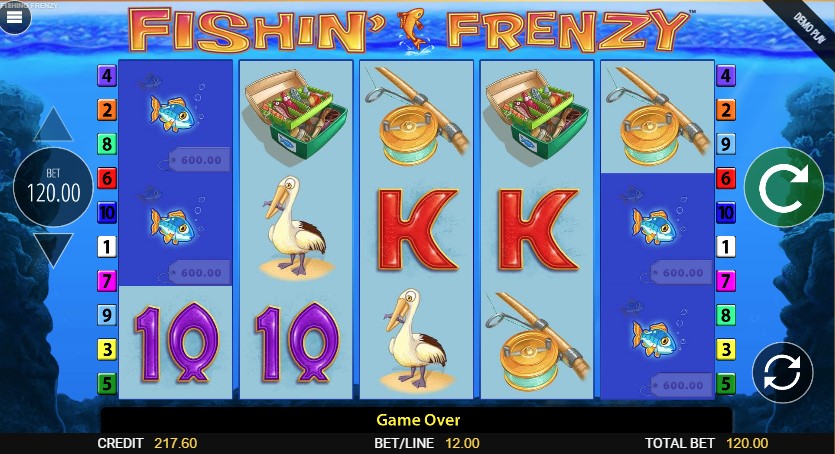
Fishin Frenzy uses a palette built around blues and greens, matching its underwater setting. This choice is smart from an ergonomic standpoint. Blues and greens are commonly seen as restful colors. They sit in the middle of the light spectrum, which might mean they lead to less focal strain than very bright reds or deep purples. The background is a dark, deep blue. This creates strong contrast for the brighter reels and symbols without being a harsh, glaring white. The symbols—different fish, buoys, and tackle boxes—use distinct colors and shapes. You can tell them apart quickly without needing to peer closely. The game doesn’t put overly detailed artwork on its standard symbols, which stops the screen from looking messy. This basic palette points to a deliberate move toward a relaxed visual field. It’s a good start for our analysis focused on eye care.
Clarity of Symbols and Identification Speed
Examining more closely the symbols, we observe skillful use of bold outlines and intense colors against the softer blue of the reels. You can identify a fish symbol from a buoy instantly. It’s not about tiny details, but distinct, simple shapes. This rapid recognition is essential. It decreases the mental effort and the tiny, rapid eye movements needed to spot a winning combination. Your brain receives the information smoothly, requiring less work from your eyes. In comparison to slots with extremely detailed, themed symbols that all tend to blend together. Fishinfrenzyslot Frenzy’s method is functionally minimal. This design approach inherently supports visual comfort. It ensures the main job—seeing your wins—is not a test of eyesight. Players can grasp what’s happening on screen without having to lock their gaze rigidly.
Visual Arrangement and Information Hierarchy
A crowded layout causes your eyes to function much harder, looking and hunting for what you need. Fishin Frenzy’s layout is famously clean and open. The five reels sit right in the center of your focus. Unobtrusive control panels for betting and spinning are tucked neatly at the bottom. Essential details—your credits, total bet, and latest win—is displayed in distinct, high-contrast digital fonts on dark backgrounds at the edges of the screen. You will not see extra information or flashing ad banners cluttering the main game area. This structured arrangement steers your gaze naturally. You move from the reels, where the action is, to the information displays without any chaotic competition for your attention. This structured display cuts down on unnecessary eye movement and scanning. It allows for a more fixed and calm focal point, a basic principle for minimizing visual fatigue in any screen-based task.
Readability and Typeface Selection
The typography in Fishin Frenzy fulfills a bigger role in its ergonomic profile than you might think. All the functional text, from button labels to numbers, uses sans-serif fonts. Sans-serif typefaces are generally easier to read on screens. They do not have the small projecting features, called serifs, that can blur at smaller sizes or lower resolutions. The numbers showing your credits and bet are particularly bold and large. You do not have to squint to read them. This focus on readability stops players from suffering the minor but cumulative strain of trying to decode fancy or poorly rendered text. In an industry where some games select stylized fonts that fit a theme over clear communication, Fishin Frenzy’s practical choice emphasizes a user-friendly design philosophy. It matches up with comfortable viewing habits.
Animation and Visual Flashes: A Two-Sided Hook
This is where many slots, Fishin Frenzy included, increase excitement but also raise the risk of strain. The game has two main types of animation. First, there’s the gentle swimming motion of fish symbols when they are part of a win. Second, you have the more noticeable splash effects and the spinning reels themselves. The winning fish animations are smooth and slow. They don’t have the rapid flicker or jarring cuts you might see in some high-energy video slots. But the basic reel spin is a fast blur of colors. This is standard for slots, and while it’s brief, it involves high-speed motion. A crucial point is that the game doesn’t use constant, screen-filling strobe effects or rapid, random flashing during normal play. The most intense visual show happens when the Free Spins bonus starts, but that’s a one-off event, not a constant state. We have to offset these occasional energetic bursts against the generally calm base game.
Frequency and Intensity of Visual Stimuli
Considering frequency, the base game of Fishin Frenzy is visually quiet. You can have long stretches where the only motion is the repetitive reel spin. That spin is fast, but it’s also predictable and rhythmic. The main visual events are tied directly to wins. This creates a clear link between cause and effect that doesn’t randomly bombard your senses. The intensity of these win animations is moderate. They feel celebratory without being overwhelming. This controlled approach to when animations happen helps prevent sensory overload. It sets up a visual rhythm. Your eyes aren’t constantly forced to follow erratic movements or adjust to sudden, huge changes in screen brightness. That’s a major factor in staying comfortable during longer playing sessions.
Play Duration and the Built-In Visual Breaks
Controlling continuous screen time is a critical part of digital eye care. Slot mechanics themselves influence this. Fishin Frenzy, with its medium volatility and simple gameplay, can be convenient to play for a while because it’s so user-friendly. But the game itself includes inherent, if brief, visual pauses. The moment between spins, however short, is a point of relative stillness. Receiving a win, triggering the bonus round—these are all micro-breaks from the rapid motion of the spinning reels. Unlike some slots where an auto-spin feature creates a constant, uninterrupted visual stream, manual play (or auto-spin with stops on wins) introduces these rhythmic interruptions. We propose these built-in moments, even if not intended for eye care, act as inadvertent resets for your eye muscles. They provide a short break from the constant tracking needed during the spin animation itself.
The Auto-Spin Feature and Passive Viewing
Employing the autoplay feature changes the experience from active to more passive viewing. This shifts the visual dynamic. Without the physical act of clicking spin, a player might slip into a fixed stare. That can lower how often you blink, which is a primary cause of screen-induced dry eye. The game’s visual events keep going, but the player’s engagement becomes more like viewing a show. This passive state has two sides. It might lower cognitive load, but it could also increase the chance of a static, unblinking gaze. So, while autoplay is a convenient tool, from an eye care angle it demands more personal discipline. The player needs to remember to blink consciously and look away now and then, because the game’s own interaction prompts are reduced.
Evaluation: Is Fishin Frenzy a Visually Considerate Game?
After a comprehensive review, we determine that the Fishin Frenzy Slot exhibits a good amount of visual consideration by today’s standards. Its design choices coordinate. The relaxing color palette, the sharp symbols, the organized layout, and the predictable animation schedule all contribute to a gentle visual environment. The game steers clear of the worst offenders in visual ergonomics. You won’t find persistent strobing or chaotic, screen-filling effects during regular play. It allows your eyes keep a relatively steady focal point with minimal disruptive scanning. Of course, no screen activity is entirely free from the risk of eye fatigue, especially during marathon sessions. But Fishin Frenzy’s aesthetic and functional design doesn’t make these risks on purpose. It acts as an example of how traditional, straightforward slot design can fit with principles of visual comfort. That helps explain its lasting popularity. It’s not just about the gameplay; it’s about the human factors too.
